
21 July 2026 | 10 minute read
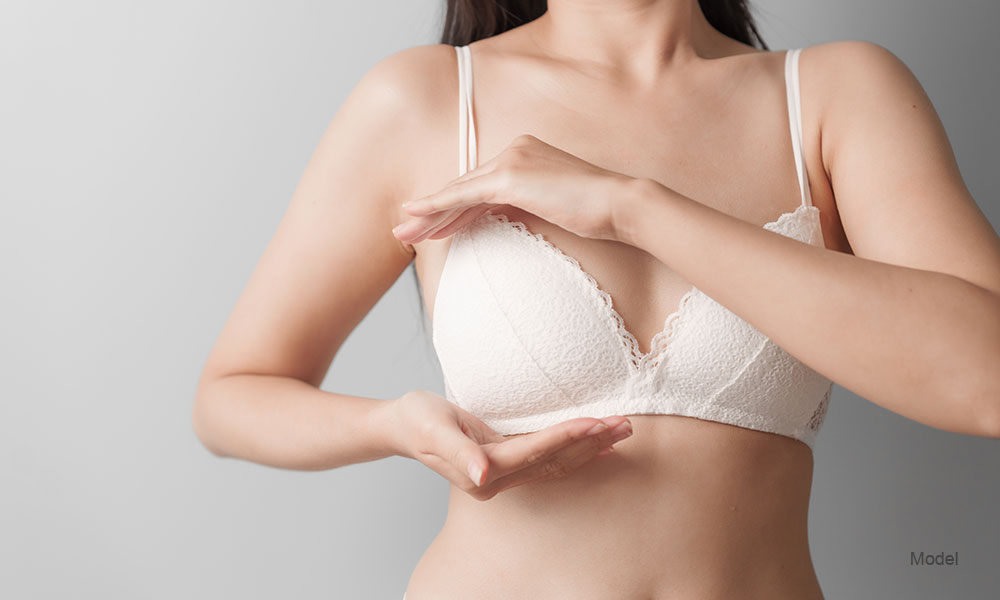
Understanding the recovery process following breast lift surgery (mastopexy) is an important part of preparing for treatment. Knowing what to expect during recovery helps patients plan appropriately, develop realistic expectations, and support the best possible outcome.
For many women, the decision to have a breast lift is about more than appearance alone. It is also about your psychological and social well being, feeling more comfortable in your body, in your clothes, and in your day-to-day life. Recovery allows the tissues to heal gradually while the breasts settle into their new position and shape. As with any surgical procedure, healing varies between individuals.
This breast lift recovery timeline explains what you can generally expect during each stage of healing after breast lift surgery.
Table of Contents
- What Patients Need to Know About Breast Lift Recovery
- Breast Lift Recovery Week by Week
- Long-Term Breast Lift Healing and Final Results
- Why Your Choice of Consultant Plastic Surgeon Matters
- FAQs About Breast Lift Recovery in Tunbridge Wells
What Patients Need to Know About Breast Lift Recovery
A breast lift, or mastopexy, is designed to reshape and elevate the breasts by removing excess skin, repositioning the nipple and areola, and reshaping the underlying breast tissue to create a more proportionate and uplifted breast contour. Mr Pacifico notes that this creates scars around the areola, vertically down to the breast crease, and usually along the crease itself. He also makes clear that a mastopexy does not increase breast volume, which is an important consideration when discussing treatment goals and expected outcomes during your consultation.
Recovery following breast lift surgery is a gradual process during which swelling subsides, wounds heal, scars mature, and the breast tissues settle into their new position over time. Mr Pacifico advises wearing a sports bra day and night for at least six weeks after surgery, and sometimes for as long as three months. He also advises avoiding strenuous activity for at least two weeks.
Every patient’s recovery is slightly different. Your recovery will be monitored during your follow-up appointments, allowing Mr Pacifico to assess your healing and provide personalised guidance at each stage of recovery.
Breast Lift Recovery Week by Week
Week 1: Rest, Support, and Early Healing
The first week focuses on allowing your body to recover from surgery. Following your breast lift surgery, you will wake up with surgical tape on the wounds and may have a surgical drain coming from each breast. Mr Pacifico advises that, depending on your recovery and drain output, you may return home on the day of surgery or stay overnight.
During this stage, you should expect some soreness, swelling, and a feeling of tightness across the breasts. Your chest may feel heavy, and movement is likely to be more restricted than usual. These are common features of the early stages of recovery.
Your main priorities during the first week typically include:
- Resting and avoiding unnecessary exertion
- Wearing your supportive bra exactly as instructed
- Keeping your dressings and wound area protected
- Attending any scheduled follow-up appointments
- Avoiding lifting, stretching, or sudden upper body movements
Giving your body sufficient time to heal during this early stage provides the foundation for a smooth recovery. Following your postoperative instructions carefully can help protect the healing tissues and support optimal healing.
Week 2: More Comfortable, but Still Careful
By the second week, many patients notice that their day-to-day activities are becoming easier. Swelling may still be noticeable, but mobility often continues to improve compared with the first few days after surgery. Even so, this is still an important stage of healing, and it is advisable not to return to your regular activities too quickly.
Mr Pacifico advises avoiding strenuous activity for at least two weeks. He also notes that you may be able to drive after this point, but only if you are fully comfortable performing an emergency stop or similar manoeuvre. This guidance is intended to reduce unnecessary strain on the healing tissues while ensuring you can drive safely and comfortably.
At this stage, you may start to notice:
- Early improvement in breast position
- Ongoing swelling and firmness
- Bruising is beginning to settle
- A gradual return of energy
Although swelling and tissue firmness mean the breasts have not yet reached their final appearance, many patients begin to notice the developing breast shape during this stage. Patience remains important, as the breasts will continue to change throughout the weeks and months ahead.
Weeks 3–4: Settling Into Recovery
By weeks three and four, many patients find that the initial discomfort has eased, and everyday activities become more comfortable. Swelling often continues to reduce, and the breasts may begin to take on a softer, more natural shape. Although recovery is progressing well, important healing continues beneath the surface.
During this stage, it is important to remain patient. The breasts may initially appear slightly higher than expected, and the tissues can still feel firm. This is a normal part of the healing process as swelling continues to settle and the tissues gradually adapt to their new position.
What you may notice during this stage:
- Swelling continues to reduce
- The breast shape starts to look more natural
- Everyday movement becomes increasingly comfortable
- Scars remain fresh and should continue to be cared for according to your postoperative instructions
By this stage, many women can return to more of their usual daily activities while continuing to follow their postoperative instructions. As healing continues, the breasts gradually settle into a balanced, proportionate shape that appears natural and in keeping with your overall figure.
Weeks 5–6: Returning to Routine
By weeks five and six, many patients feel that recovery has progressed significantly. Everyday activities become easier, and the breasts generally continue to settle into their new position and shape.
Mr Pacifico advises continuing to wear your sports bra day and night for at least six weeks, and in some cases for up to three months. This ongoing support helps minimise unnecessary movement while the tissues continue to heal and mature.
Although you may feel increasingly comfortable during this stage, it is important to remember that internal healing continues long after the initial discomfort has resolved. Allowing adequate time for recovery helps support the best possible long-term outcome.
Weeks 7–12: Refinement and Confidence
After the six-week point, the breasts often begin to feel softer and appear more settled. Residual swelling generally continues to improve, allowing the breast shape to become increasingly natural and proportionate.
This is often the stage when patients begin to appreciate the outcome of their surgery. Clothing may fit more comfortably, and many women feel their breasts becoming increasingly balanced as healing progresses.
Although much of the initial recovery has taken place by this stage, subtle changes continue over the following months as the tissues soften further and scars gradually mature.
Long-Term Breast Lift Healing and Final Results
Even when the initial stages of recovery are complete, final refinement still takes time. Scars will continue to mature, and the breasts will continue to soften and settle. These gradual changes are a normal part of the healing process and may continue for many months following surgery. Mr Pacifico will advise you on appropriate scar care throughout your recovery to support optimal scar maturation. Protecting healing scars from prolonged sun exposure during the first year may also help minimise long-term pigmentation changes.
Mr Pacifico also notes that while mastopexy provides a significant improvement in breast position and shape, the natural effects of ageing and gravity continue over time. As a result, some degree of recurrent breast descent may occur in the future. While this may not become noticeable for five years or longer, it is an important part of setting realistic long-term expectations.
This honest approach reflects Mr Pacifico’s philosophy of providing clear, balanced advice. Rather than striving for perfection, the aim of breast lift surgery is to achieve a meaningful improvement in breast shape, proportion, and nipple position while preserving natural-looking results that age gracefully over time.
Why Your Choice of Consultant Plastic Surgeon Matters
Recovery is influenced not only by your postoperative care, but also by careful surgical planning, meticulous technique, and appropriate patient selection. An experienced consultant plastic surgeon will provide realistic guidance before surgery and personalised advice throughout your recovery, helping to optimise both safety and surgical outcomes.
During your consultation, Mr Pacifico will discuss the procedure, recovery, expected outcomes, and the potential risks and complications associated with surgery. Discussing these considerations openly is an important part of the consultation process and helps ensure patients are able to make a fully informed decision about treatment.
Every breast lift performed by Mr Pacifico is carefully tailored to the individual following a detailed consultation and assessment. During your consultation, Mr Pacifico will carefully assess your anatomy, skin quality, breast volume, and aesthetic goals before recommending the most appropriate surgical approach. This personalised planning is central to achieving balanced, natural-looking results while prioritising patient safety.
FAQs About Breast Lift Recovery in Tunbridge Wells
How long does breast lift recovery take?
Most women can resume many of their usual daily activities within several weeks, although recovery varies between individuals. Complete healing and scar maturation continue for many months after surgery. Mr Pacifico advises wearing a sports bra day and night for at least six weeks, and sometimes for up to three months.
When can I drive after a breast lift?
Mr Pacifico says you may be able to drive after two weeks, but only if you are comfortable enough to perform an emergency stop or similar manoeuvre safely.
When can I exercise again after mastopexy?
Strenuous activity should be avoided for at least two weeks after breast lift surgery, although Mr Pacifico will advise you when it is appropriate to resume more vigorous exercise based on your individual recovery.
When will I see my final breast lift results?
Swelling, firmness, and tissue settling are all part of healing. Although you will notice changes in breast shape soon after surgery, your breasts will continue to soften and settle over the following weeks and months, with the final results developing gradually as healing progresses.
Do I need to wear a bra all the time after surgery?
Yes. Mr Pacifico advises wearing a sports bra day and night for at least six weeks, and in some cases for up to three months, depending on your individual recovery. As a rule, support using a bra is considered important in the long term by Mr Pacifico – as he says, “your skin is not a good bra, so to prolong the results of a breast lift, bra support is essential”.
Arrange a Consultation With Mr Pacifico
If you are considering breast lift surgery and would like personalised advice about recovery, expected outcomes, and whether mastopexy is the most appropriate procedure for you, arrange a consultation with consultant plastic surgeon Mr Pacifico. Mr Pacifico welcomes patients to his private practice in Tunbridge Wells and Harley Street in London, where every consultation includes a thorough assessment, an open discussion of your goals, and clear guidance on the treatment options available.
To learn more about breast lift surgery or to arrange a consultation with consultant plastic surgeon Mr Pacifico, call us at +44 (0) 1892 536 960 or complete our online contact form. We look forward to meeting you and discussing your treatment options.