10 September 2026 | 7 minute read
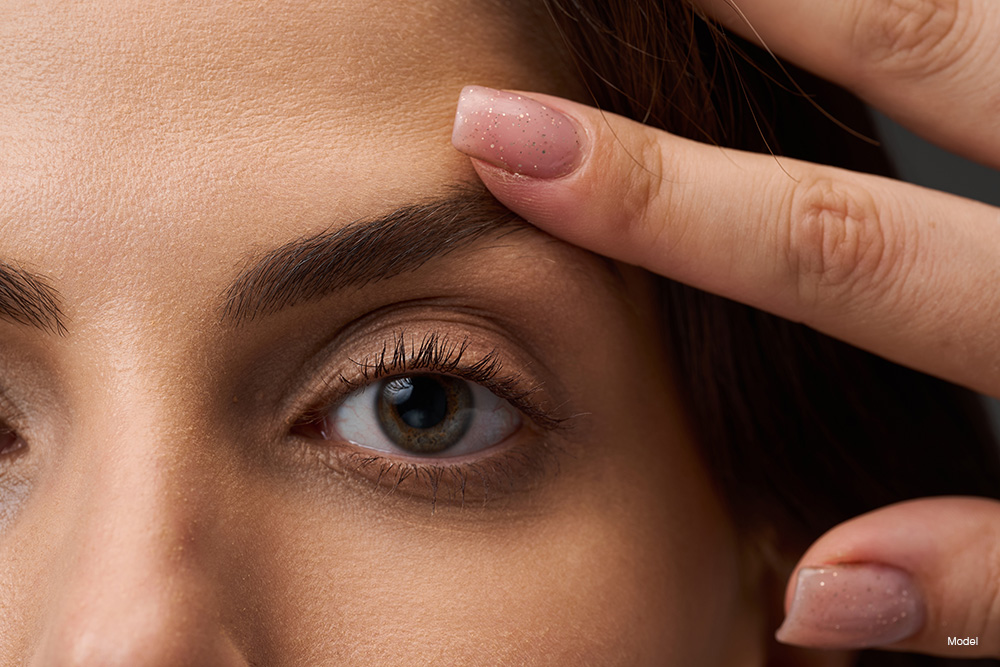
The eyes are often one of the first areas of the face to show signs of ageing. Excess upper eyelid skin can make the eyes look heavy or tired, while lower eyelid bags or loose skin can create a worn or aged appearance, even when you feel well rested.
Blepharoplasty, also known as eyelid surgery, is designed to refresh the eye area in a way that looks natural and balanced. However, not every patient needs the same type of eyelid surgery. Some people may benefit from upper blepharoplasty, others from lower blepharoplasty, and in some cases, the brow position also needs to be considered.
If you are considering blepharoplasty in London or Tunbridge Wells, understanding the difference between upper and lower eyelid surgery can help you feel more informed before you consult with Mr Pacifico.
Table of Contents
- What Is Upper Blepharoplasty?
- What Is Lower Blepharoplasty?
- Upper vs Lower Eyelid Surgery: What Is the Difference?
- Eyelid Surgery vs Brow Lift in London: Which Do I Need?
- Can Upper and Lower Blepharoplasty Be Combined?
- What Is Recovery Like After Blepharoplasty?
- Why Your Choice of Consultant Plastic Surgeon Matters
- Arrange a Blepharoplasty Consultation in London With Mr Pacifico
What Is Upper Blepharoplasty?
Upper blepharoplasty focuses on the upper eyelids. It is usually performed to address excess skin that rests on or overhangs the upper eyelid crease. In some patients, this can make the eyes look smaller, heavier, or more tired. It may also make applying eye makeup more difficult.
During upper eyelid surgery, Mr Pacifico carefully plans and marks the eyelids before making incisions in the natural upper eyelid creases. Excess skin is removed, sometimes with a small strip of underlying muscle. If there are prominent fatty bulges, particularly toward the inner corners of the upper eyelids, a small amount of fat may also be removed.
The aim is not to change the character of your eyes, but to create a brighter, fresher, more open appearance while maintaining a natural-looking result.
What Is Lower Blepharoplasty?
Lower blepharoplasty focuses on the area beneath the eyes. It is usually considered when patients are concerned about lower eyelid bags, puffiness, loose skin, or a tired appearance that does not improve with rest.
Mr Pacifico explains that lower eyelid surgery may involve an incision just below the eyelashes, where the resulting scar is well camouflaged. The bulging fat behind the lower eyelid muscles may be repositioned or pushed back and supported with small internal stitches. In some cases, a small amount of fat may be removed and repositioned to help soften the appearance of under-eye bags.
Lower eyelid surgery is often more complex than upper eyelid surgery because the lower eyelid needs careful support. In some cases, Mr Pacifico may perform a canthopexy to support the lower eyelid and reduce the risk of it being pulled downwards following surgery.
Upper vs Lower Eyelid Surgery: What Is the Difference?
The main difference is the area being treated.
Upper blepharoplasty addresses heaviness, hooding, and excess skin above the eyes. It can help reveal the natural eyelid crease and make the eyes look brighter.
Lower blepharoplasty addresses under-eye bags, puffiness, loose skin, and other age-related changes beneath the eyes. It can help soften the tired look that comes from lower eyelid fullness or skin laxity.
The procedures also differ in terms of anaesthetic, recovery, and complexity. Upper blepharoplasty is commonly performed under local anaesthetic and takes around 45 minutes. Lower blepharoplasty is usually performed while you are asleep and may take one to two hours, depending on the complexity of the surgery.
Recovery can also differ. After upper blepharoplasty, many patients feel ready to return to work or go out after around 10 days. Lower blepharoplasty may involve more swelling, eye irritation, or temporary dryness, so recovery can take longer.
Eyelid Surgery vs Brow Lift in London: Which Do I Need?
This is an important question because heaviness around the upper eyes is not always caused by excess eyelid skin alone.
Sometimes the issue is the brow. If the brow has dropped, it can push skin downward toward the upper eyelids, creating a heavy or tired look. In this situation, removing eyelid skin alone may not fully address the concern, because the underlying brow position has not been addressed.
A brow lift is designed to elevate and stabilise the brow. Mr Pacifico’s gliding brow lift can be performed on its own or combined with upper eyelid surgery when both the brow and eyelids contribute to the concern.
In simple terms, upper blepharoplasty treats excess upper eyelid skin, while a brow lift treats a low or heavy brow. Some patients need one or the other, and some benefit from both. A careful assessment is therefore important in determining whether the eyelids, brow position, or both are contributing to your concerns. The most appropriate approach depends on your anatomy, brow position, eyelid skin, facial balance, and the kind of result you want to achieve.
Can Upper and Lower Blepharoplasty Be Combined?
Yes, upper and lower blepharoplasty can be combined when appropriate. This may be helpful for patients who have both upper eyelid heaviness and lower eyelid bags or puffiness.
Combining procedures can address concerns affecting both the upper and lower eyelids, although recovery may be more involved. Mr Pacifico will discuss whether a combined approach is suitable for you, or whether it would be better to focus on one area first.
Blepharoplasty may also be combined with other facial rejuvenation procedures, including a brow lift or facelift, depending on your goals and anatomy.
What Is Recovery Like After Blepharoplasty?
Recovery after blepharoplasty typically involves some swelling and bruising. Stitches are usually removed around five to seven days after surgery. It is also common for the eyes to feel dry, gritty, or irritated in the early stages, particularly after lower eyelid surgery.
For upper blepharoplasty, most people are ready to go out and return to work after about 10 days. Heavy lifting and exercise should usually be delayed for around four weeks.
For lower blepharoplasty, many patients are ready to return to work after around 10 to 14 days, although sporting activity and exercise should be avoided for at least four weeks. Contact lenses should be avoided for at least two weeks after upper blepharoplasty and for four weeks after lower blepharoplasty, as they may contribute to eye dryness.
Although you will see improvement much earlier, the final result takes time. Mr Pacifico advises that you will usually look your best around six to twelve months after surgery, once swelling has fully resolved and the scars have matured.
Why Your Choice of Consultant Plastic Surgeon Matters
Blepharoplasty requires careful surgical planning and a detailed understanding of the anatomy surrounding the eyes. The aim is to achieve a refreshed, natural-looking appearance without creating an obvious or overdone result.
Mr Pacifico’s approach focuses on careful planning, natural-looking results, and honest guidance about what surgery can and cannot achieve and how results may change over time. Mr Pacifico sees patients for facial surgery consultations at Purity Bridge in Tunbridge Wells and Harley Street in London.
During your consultation, he can assess whether your concerns are best treated with upper blepharoplasty, lower blepharoplasty, brow lift surgery, or a combination of procedures.
Arrange a Blepharoplasty Consultation in London With Mr Pacifico
If you are considering blepharoplasty in London or Tunbridge Wells, a personalised consultation with Mr Pacifico allows you to discuss your concerns and determine whether upper blepharoplasty, lower blepharoplasty, brow lift surgery, or a combination of procedures may be appropriate for you. Mr Pacifico welcomes patients for consultations in Tunbridge Wells and at Harley Street in London.
To arrange a consultation with Mr Pacifico, call +44 (0) 1892 536960 or complete our online contact form. We look forward to meeting you and discussing your treatment options.